
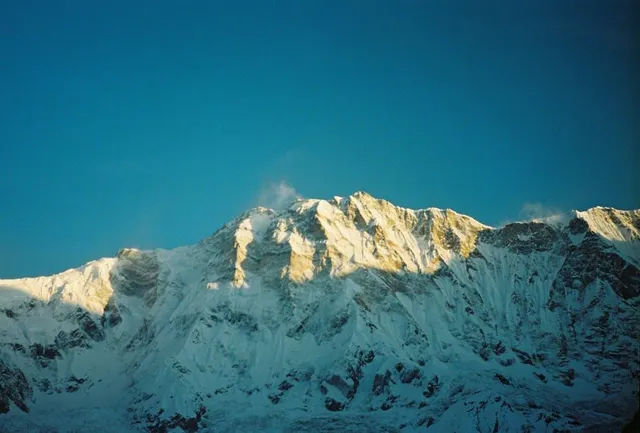
Nepal offers trekking experiences for almost every kind of traveler, from beginners looking for scenic mountain walks to experienced hikers seeking challenging high-altitude adventures. But with so many routes to choose from, deciding which trek is right for you can be difficult. The best option depends on your fitness level, available time, budget, preferred scenery, and the kind of experience you want.
The Everest Base Camp Trek is a dream adventure for travelers who want to stand beneath the world's highest mountain. The Annapurna Base Camp Trek appeals to those who want dramatic mountain views within a shorter itinerary, while the Manaslu Circuit Trek attracts travelers looking for remote trails and fewer crowds. If you prefer a gentler introduction to trekking, destinations such as Ghorepani Poon Hill offer beautiful Himalayan scenery without requiring a long expedition.
There is no single best trek in Nepal for everyone. A route that suits an experienced hiker may be too demanding for a beginner, while a short trek may not satisfy someone looking for a major physical challenge.
This guide compares some of Nepal's best trekking routes to help you choose an adventure that matches your interests, experience, and travel plans.
1. Everest Base Camp Trek: Best for Firsthand Views of Everest
The Everest Base Camp Trek is ideal for travelers who dream of exploring the Khumbu region and seeing Mount Everest up close. The journey passes through Sherpa villages, suspension bridges, Buddhist monasteries, and spectacular mountain landscapes before reaching Everest Base Camp at 5,364 meters (17,598 feet).
Along the way, you visit well-known places such as Namche Bazaar, Tengboche, Dingboche, and Gorak Shep. Many itineraries also include a sunrise hike to Kala Patthar, which offers one of the most impressive viewpoints of Everest and the surrounding peaks.
Choose this trek if: You want a classic Himalayan adventure, enjoy mountain scenery, and are prepared for several days of walking at high altitude.
Difficulty: Moderate to challenging, primarily because of altitude, long walking days, and the duration of the journey.
Typical duration: Around 12 to 14 days, depending on the itinerary.
The Everest Base Camp Trek does not require technical climbing skills, but it does require good preparation and proper acclimatization. It is not automatically suitable for every beginner simply because it follows an established trail.
If Everest is your main motivation for visiting Nepal, this is one of the most rewarding options to consider.
2. Annapurna Base Camp Trek: Best for a Mountain Sanctuary Experience
The Annapurna Base Camp Trek takes you into a natural mountain amphitheater surrounded by towering Himalayan peaks. The destination sits at approximately 4,130 meters (13,550 feet), where Annapurna South, Hiunchuli, Machapuchare, and other mountains create an impressive panorama.
Compared with the Everest Base Camp route, the Annapurna Base Camp Trek can often be completed in a shorter period. The trail passes through villages, forests, terraced farmland, and stone staircases before entering the high mountain landscape.
You can also experience local Gurung and Magar culture along the way.
Choose this trek if: You want spectacular mountain views, a rewarding high-altitude destination, and a trekking itinerary that may fit into a shorter holiday.
Difficulty: Moderate to challenging, with plenty of uphill and downhill walking.
Typical duration: Around 7 to 11 days, depending on the starting point and route.
The Annapurna Base Camp Trek is a strong option for travelers who want a major Himalayan experience without committing to the longer Everest Base Camp itinerary. However, the steep staircases and repeated ascents and descents can be demanding.
3. Manaslu Circuit Trek: Best for Remote Mountain Adventures
The Manaslu Circuit Trek is an excellent choice for travelers who want to explore a less-developed trekking region with dramatic scenery and rich cultural experiences.
The route circles Mount Manaslu, the world's eighth-highest mountain, and passes through traditional villages, river valleys, forests, and high mountain terrain. One of its biggest highlights is Larkya La Pass, at approximately 5,160 meters (16,929 feet).
The landscape changes throughout the journey. Lower sections feature green hills and rivers, while higher elevations reveal rugged mountains and glacial scenery. The trail also passes through communities with strong Tibetan cultural influences.
Choose this trek if: You enjoy remote landscapes, traditional villages, challenging mountain passes, and a trekking experience that feels less commercialized than some of Nepal's busiest routes.
Difficulty: Challenging.
Typical duration: Around 12 to 16 days, depending on the itinerary and acclimatization plan.
The Manaslu Circuit requires careful planning because it enters a restricted trekking area. Special permits and a licensed guide are required under the applicable regulations, and the route is generally organized through a registered trekking agency.
Although it is often quieter than the main Everest and Annapurna trails, it is not completely uncrowded, especially during peak trekking seasons.
4. Ghorepani Poon Hill Trek: Best for Beginners
If you are new to trekking in Nepal, the Ghorepani Poon Hill Trek is one of the best places to start.
This relatively short journey takes you through rhododendron forests, traditional villages, and terraced hillsides in the Annapurna region. Its main highlight is Poon Hill, a popular viewpoint known for sunrise views over the Annapurna and Dhaulagiri ranges.
The trek does not reach the extreme elevations of Everest Base Camp or the Manaslu Circuit, making it a practical introduction to multi-day trekking.
Choose this trek if: You have limited time, are new to hiking, or want beautiful mountain scenery without a long high-altitude expedition.
Difficulty: Easy to moderate, depending on fitness and the amount of stair climbing.
Typical duration: Around 4 to 6 days.
Do not underestimate the stone staircases. Some sections involve sustained uphill walking, and the descents can put pressure on your knees.
With comfortable footwear, a manageable backpack, and a reasonable pace, Poon Hill is a rewarding first trekking experience.
5. Langtang Valley Trek: Best for Culture and Mountain Scenery
The Langtang Valley Trek is a great choice for travelers who want a Himalayan adventure relatively close to Kathmandu.
The journey passes through forests, riverside trails, traditional settlements, and high mountain valleys. As you gain elevation, the landscape opens up to reveal impressive views of Langtang Lirung and surrounding peaks.
Kyanjin Gompa is one of the major stops along the route. From here, trekkers can explore the village, visit local cheese-making facilities when open, or take optional hikes to nearby viewpoints, depending on conditions and fitness.
Choose this trek if: You want a rewarding mountain journey, cultural experiences, and a route that does not require traveling to the Everest or Annapurna regions.
Difficulty: Moderate to challenging.
Typical duration: Around 7 to 10 days.
The trek still involves significant elevation gain, so acclimatization and physical preparation matter. Road travel to the trailhead can also take several hours, depending on conditions.
Langtang is a strong option for travelers seeking a balance between natural scenery, local culture, and a manageable itinerary.
6. Mardi Himal Trek: Best for Close-Up Mountain Views
The Mardi Himal Trek is a popular alternative for travelers who want impressive Himalayan scenery on a relatively short route.
Located in the Annapurna region, the trail climbs through forests and high ridges before reaching viewpoints with dramatic views of Machapuchare, Annapurna South, and neighboring peaks.
One of its biggest attractions is the sense of being close to the mountains as you gain elevation. The route is shorter than many major Himalayan circuits, although the steep climbs can still be demanding.
Choose this trek if: You want a shorter mountain adventure, enjoy ridge walks, and prefer a route with a strong focus on scenic viewpoints.
Difficulty: Moderate to challenging.
Typical duration: Around 5 to 7 days.
Accommodation is generally simpler at higher elevations, and facilities may be limited compared with established villages on the Everest and Annapurna Base Camp routes.
Mardi Himal works well for travelers who want a compact trekking experience without sacrificing spectacular mountain scenery.
7. Annapurna Circuit Trek: Best for Diverse Landscapes
The Annapurna Circuit Trek is ideal for travelers who want to experience several different landscapes in one journey.
The route traditionally travels through subtropical valleys, agricultural villages, pine forests, arid mountain terrain, and high-altitude settlements. Its major challenge is Thorong La Pass, which reaches approximately 5,416 meters (17,769 feet).
The changing scenery is one of the trek's biggest strengths. You can experience distinct regional cultures and environments as the trail moves around the Annapurna massif.
Choose this trek if: You enjoy longer adventures, changing landscapes, cultural variety, and the challenge of crossing a high mountain pass.
Difficulty: Challenging.
Typical duration: Around 12 to 18 days, depending on the route and transport arrangements.
Road development has changed sections of the traditional circuit, so the exact walking experience depends on the itinerary you choose.
The Annapurna Circuit is particularly rewarding for travelers who value variety rather than focusing on a single destination.
8. Upper Mustang Trek: Best for Ancient Culture and Desert Landscapes
Upper Mustang offers a very different trekking experience from the forested trails and snowy landscapes often associated with Nepal.
Located in the rain-shadow region north of the Annapurna and Dhaulagiri ranges, Upper Mustang is known for its dry valleys, colorful cliffs, caves, monasteries, and Tibetan-influenced culture.
The historic walled city of Lo Manthang is a major highlight. Its traditional architecture and cultural heritage give visitors a glimpse into the region's long history.
Choose this trek if: You are interested in ancient settlements, Buddhist culture, unusual landscapes, and a trekking experience that differs from the classic Himalayan routes.
Difficulty: Moderate to challenging, depending on the itinerary and altitude.
Typical duration: Around 10 to 14 days.
Upper Mustang requires a restricted-area permit and additional planning. Costs are generally higher than those of many standard trekking routes because of permit requirements and logistics.
Its dry climate can make it an appealing choice during periods when other parts of Nepal experience heavier monsoon rainfall, although weather and trail conditions still need to be checked.
9. Gokyo Lakes Trek: Best for Turquoise Lakes and Panoramic Views
The Gokyo Lakes Trek is an excellent alternative for travelers who want to explore the Everest region beyond the standard Base Camp route.
The trail passes through Sherpa villages and high-altitude landscapes before reaching a series of striking glacial lakes. The turquoise waters of the Gokyo Lakes create a remarkable contrast with the surrounding mountains.
A hike to Gokyo Ri offers panoramic views of Everest, Lhotse, Makalu, Cho Oyu, and other Himalayan peaks in clear conditions.
Choose this trek if: You want spectacular mountain panoramas, beautiful high-altitude lakes, and an Everest-region adventure that follows a different route from the classic Base Camp itinerary.
Difficulty: Challenging because of altitude and long walking days.
Typical duration: Around 10 to 13 days.
Like the Everest Base Camp Trek, the Gokyo route requires gradual acclimatization. It can also be combined with other trails in the region, depending on your available time and experience.
10. Kanchenjunga Base Camp Trek: Best for Experienced Trekkers
The Kanchenjunga Base Camp Trek is a remote and demanding adventure in eastern Nepal. It explores the region surrounding Mount Kanchenjunga, the world's third-highest mountain.
Depending on the itinerary, the journey may visit both the north and south base camp areas, revealing dramatic glaciers, isolated villages, high passes, and expansive mountain scenery.
The region is less developed for tourism than Everest and Annapurna, which means trekkers must prepare carefully for limited facilities and more complicated logistics.
Choose this trek if: You have experience with multi-day trekking, enjoy remote environments, and have enough time for a demanding Himalayan expedition.
Difficulty: Challenging to very challenging.
Typical duration: Around 18 to 24 days or longer, depending on the route.
Kanchenjunga is not usually the best first trek for someone with no hiking experience. Good fitness, appropriate equipment, a suitable itinerary, and experienced local support are essential.
For experienced trekkers seeking a remote Himalayan journey, however, it can be one of Nepal's most rewarding adventures.
How to Choose the Right Trek for You
Before booking a trek, think about what matters most to you. The highest mountain or most famous destination is not automatically the best choice.
Consider these five factors:
- Available time: Choose Poon Hill or Mardi Himal for a shorter holiday. Consider Everest Base Camp, Manaslu, or Kanchenjunga if you can spend longer in the mountains.
- Physical fitness: Shorter routes can still include steep climbs. High-altitude treks require endurance and careful acclimatization, regardless of your fitness level.
- Preferred scenery: Choose Everest for iconic Himalayan views, Annapurna Base Camp for a mountain sanctuary, Upper Mustang for arid landscapes, or Gokyo for glacial lakes.
- Cultural interests: Manaslu, Tsum Valley, Langtang, and Upper Mustang offer strong opportunities to experience distinctive local traditions.
- Budget and logistics: Permit requirements, transportation, accommodation, guides, porters, and trip duration can all affect the total cost.
Also consider the season. Spring and autumn are generally the most popular periods for many Nepal trekking routes, but the best timing depends on the region, weather, and trail conditions.
Conclusion
The right Nepal trek depends on the kind of adventure you want. Everest Base Camp offers an iconic Himalayan journey, Annapurna Base Camp delivers spectacular mountain scenery, and the Manaslu Circuit combines remote trails with a challenging high pass. Poon Hill is a practical introduction for beginners, while Upper Mustang and Kanchenjunga appeal to travelers looking for more specialized experiences.
You do not need to choose the longest, highest, or most difficult route to have a memorable trek. The best trek is the one that matches your available time, physical preparation, interests, and expectations.
Take time to compare itineraries, understand the altitude, and prepare for the conditions. With the right choice, trekking in Nepal can become one of the most rewarding travel experiences of your life.