Understanding the Role of Water Treatment System Manufacturers
Water treatment systems are essential in ensuring access to clean and safe water for various applications. As environmental concerns and regulatory standards become stricter, the demand for efficient water management solutions has surged. Innovators in the industry, such as QILEE, play a vital role by providing Water Treatment System Manufacturer solutions tailored to the specific needs of municipalities and industries. Their expertise is critical in developing systems that not only comply with regulations but also adapt to the changing landscape of water quality management.
What Are Water Treatment Systems?
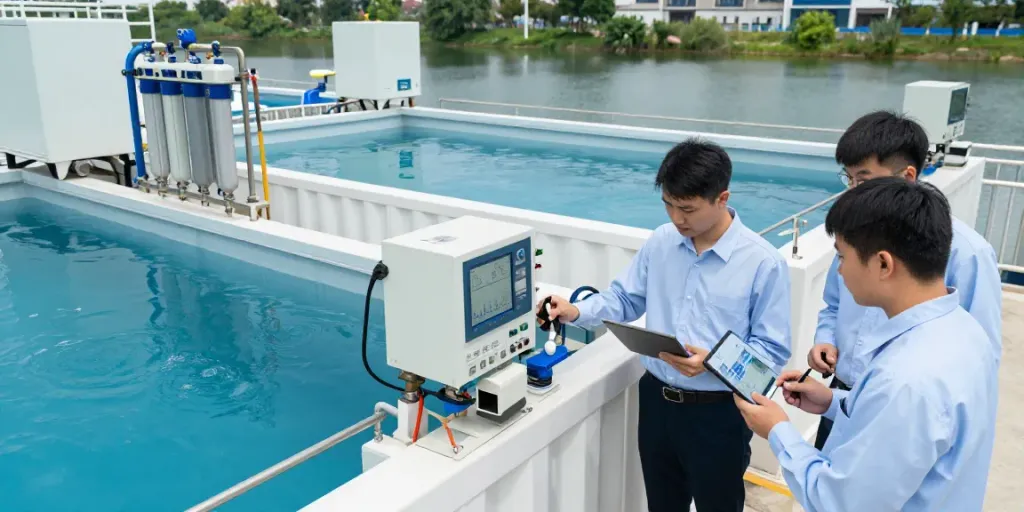
Water treatment systems encompass a variety of technologies and processes designed to treat water to make it suitable for a specific purpose. These applications range from providing potable water for human consumption to ensuring the safe disposal of wastewater. Common types of treatment methods include filtration, chemical treatment, biological processes, and advanced techniques like reverse osmosis and ultrafiltration.
Importance of Manufacturers in Water Quality Management
Manufacturers of water treatment systems are pivotal in crafting solutions that address the unique challenges associated with water quality management. They not only develop the physical technologies used for treatment but also provide the engineering know-how to ensure these systems operate efficiently and sustainably. Moreover, manufacturers are often at the forefront of research and innovation, leading to better performance, reduced energy consumption, and enhanced compliance with environmental regulations.
Key Technologies in Advanced Water Treatment
- Reverse Osmosis (RO): A process that removes contaminants from water by using a semi-permeable membrane.
- Ultrafiltration (UF): A membrane filtration technique that separates particles from liquids using pressure.
- Activated Sludge Process: A biological treatment method that utilizes microorganisms to decompose organic material in wastewater.
- Advanced Oxidation Processes (AOP): Techniques that generate highly reactive hydroxyl radicals for the degradation of pollutants.
- Desalination: The process of removing salt and minerals from seawater to produce fresh water, crucial for regions with limited water sources.
Evaluating Leading Water Treatment System Manufacturers
With numerous manufacturers in the water treatment industry, selecting the right partner for a project can be daunting. It's essential to evaluate potential manufacturers based on several criteria to ensure they meet the specific needs of your application.
Criteria for Selecting a Reliable Manufacturer
- Experience: Consider the years of operation and the manufacturer’s track record in delivering successful projects.
- Technological Expertise: Assess whether the manufacturer has a robust portfolio of innovative technologies and solutions.
- Regulatory Compliance: Verify their adherence to local and international water quality standards and regulations.
- Customer Support: Evaluate the level of after-sales support, maintenance services, and operational training offered.
- Customization Capabilities: Ensure that the manufacturer can tailor solutions to meet specific needs and challenges.
Comparative Analysis of Top Manufacturers
In the competitive landscape of water treatment system manufacturers, some names stand out due to their proven performance and reputation. Companies like Veolia and SUEZ are recognized for their comprehensive service offerings and technological advancements. QILEE, with its focus on integrated solutions and rapid deployment capabilities, positions itself uniquely as a frontrunner in the industry.
Customer Reviews and Testimonials
Evaluating customer feedback is crucial for determining the reliability and effectiveness of a water treatment system manufacturer. Positive reviews often highlight successful project completions, the efficiency of the systems, and the level of support provided. Testimonials can serve as valuable insights into the experiences of others in similar sectors.
Understanding Different Types of Water Treatment Solutions
Water treatment solutions are not one-size-fits-all; they vary widely based on the source of water, the contaminants present, and the intended use of the treated water. Understanding the nuances of different systems is essential for selecting the right solution for your needs.
Containerized Integrated Systems Explained
Containerized integrated water treatment systems are designed for rapid deployment and easy transport. These systems are pre-fabricated and assembled into shipping containers, making them ideal for remote or disaster-stricken areas. They offer a compact solution for treating water efficiently and can be tailored for specific applications, including emergency relief efforts and industrial processes.
Comparing Traditional vs. Modern Water Treatment Systems
Traditional water treatment systems often involve fixed infrastructure that can be costly and time-consuming to build and maintain. In contrast, modern systems, like those offered by QILEE, leverage advanced technology and modular designs for flexibility and scalability. Such innovations can significantly reduce setup times and operational costs, while providing the same or improved levels of water quality assurance.
Case Studies: Successful Implementations of Treatment Solutions
Numerous case studies exist that showcase the successful implementation of water treatment systems across various sectors. For instance, a municipal project in Shanghai utilized QILEE's containerized integrated systems to address rising water demand efficiently. Another example is a mining operation in Australia that required a customized water treatment solution to manage heavy metal contamination, resulting in impactful reductions in environmental risk and compliance costs.
Future Trends in Water Treatment Manufacturing
As the water treatment industry evolves, several trends are emerging that will shape the future of manufacturing in this sector. Manufacturers must stay attuned to these trends to remain competitive and innovative.
Sustainability and Eco-Friendly Practices
There is a growing emphasis on sustainability and environmental responsibility within the water treatment manufacturing sector. Companies are increasingly adopting eco-friendly practices, such as utilizing energy-efficient technologies and promoting water recycling. This shift not only addresses environmental concerns but also aligns with corporate social responsibility initiatives that resonate with customers and stakeholders.
Technological Innovations to Watch in 2026
Looking ahead to 2026, several technological innovations are expected to redefine water treatment. Artificial intelligence and machine learning are poised to enhance system monitoring and predictive maintenance, improving efficiency and reducing downtime. Additionally, the rise of smart water networks will enable real-time data collection and analysis, fostering better decision-making in water management.
Regulatory Changes Affecting Manufacturers
Regulations surrounding water quality and treatment methods continue to evolve. Manufacturers will need to stay updated with changes and adapt their systems accordingly to comply with new standards. This includes stricter limits on contaminants and the implementation of emerging technologies that meet regulatory expectations.
Frequently Asked Questions about Water Treatment Systems
What is the best water treatment system for industrial use?
The best water treatment system for industrial use depends on the specific processes and contaminants involved. Systems should be evaluated based on flow rates, efficiency, and the ability to handle specific pollutants.
How do I choose the right water treatment system for my needs?
Choosing the right water treatment system involves assessing your requirements regarding water quality, volume, and application. Consulting with an experienced Water Treatment System Manufacturer can provide tailored solutions for your challenges.
What makes a water treatment system manufacturer trustworthy?
A trustworthy water treatment system manufacturer typically demonstrates a strong track record of successful projects, adherence to regulations, and positive customer feedback. Transparent communication and robust support structures are also critical indicators.
How often should water treatment systems be maintained?
Regular maintenance schedules vary based on system design and usage, but most manufacturers recommend routine inspections and maintenance every six months to ensure optimal performance and compliance.
Are containerized systems more efficient than traditional ones?
Containerized systems often provide greater efficiency due to their modular design and rapid deployment capabilities. They can be tailored to specific applications and are easily transportable, which can save time and resources compared to traditional systems.