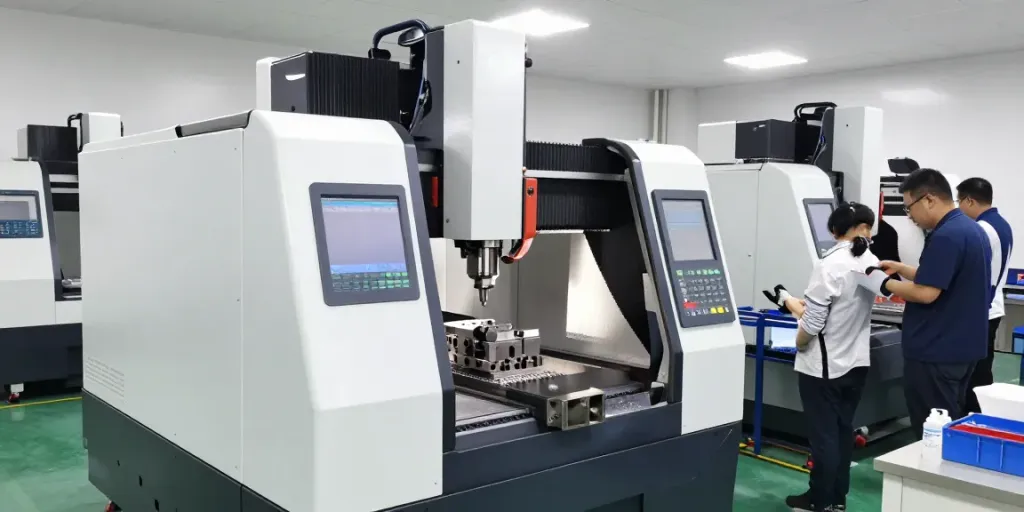
The Role of CNC Machining Parts Manufacturer in Modern Manufacturing
CNC (Computer Numerical Control) machining has revolutionized the manufacturing landscape since its inception. Manufacturers who specialize in CNC machining parts have become integral to supply chains across various industries due to their precision, efficiency, and adaptability. As industries increasingly require complex parts with tight tolerances, the demand for skilled CNC machining parts manufacturer continues to grow. When exploring options, cnc machining parts manufacturer offers extensive choices for customized solutions.
Understanding CNC Machining Basics
CNC machining involves the use of pre-programmed computer software to control the movement of machinery and tools. This process allows for the precise cutting, shaping, and finishing of materials like metal, plastic, and wood. The basic principles of CNC machining include:
- Programming: CNC machines rely on G-code, a language that instructs machines on how to move and operate.
- Automation: Automation in CNC machining reduces human error and enhances production consistency.
- Flexibility: CNC machines can be easily reconfigured to produce different parts, making them versatile for manufacturing various prototypes or production runs.
Advantages Over Traditional Methods
The transition from traditional machining methods to CNC machining presents several advantages for manufacturers:
- Higher Precision: CNC machines can achieve tolerances of +/- 0.001 inches, greatly surpassing manual machining methods.
- Repeatability: Once a CNC machine is programmed, it can produce thousands of identical parts with the same high quality.
- Cost Efficiency: While the upfront investment may be higher, the efficiency and reduction in waste make CNC machining a cost-effective solution in the long term.
Key Industries Benefiting from CNC Machining
CNC machining is critical across multiple industries where precision and performance are paramount. Key sectors include:
- Aerospace: CNC machining produces lightweight, durable components essential for flight safety and performance.
- Automotive: From prototype development to high-volume production, CNC machined parts are key in manufacturing vehicle components.
- Medical: The medical industry relies on CNC machining to manufacture intricate components, such as implants and surgical instruments.
Advanced Techniques in CNC Machining
The field of CNC machining is continually evolving due to advancements in technology. Modern CNC machining employs innovative techniques that enhance capabilities and improve outcomes.
Innovations in CNC Technology
Recent technological advancements include:
- 5-Axis Machining: This technique allows for complex geometries by enabling movement on five different axes, considerably reducing the need for multiple setups and increasing efficiency.
- Hybrid Manufacturing: Combining additive and subtractive manufacturing processes into one system enhances design flexibility and reduces material waste.
- IoT Integration: Smart CNC machines connected to the Internet of Things (IoT) allow for remote monitoring, predictive maintenance, and data-driven decision-making.
Case Studies of Successful Implementations
Many industries have successfully leveraged advanced CNC machining techniques to overcome challenges and enhance operations. For instance, a leading aerospace manufacturer implemented 5-axis machining to cut lead times on intricate engine components by 40%, significantly improving its production schedule and market competitiveness.
Impact of AI and Automation on CNC Machining
The integration of AI in CNC machining is fueling innovation and improving operational efficiency. AI algorithms can analyze operational data, enabling predictive maintenance and optimizing machining processes. Automation technologies also contribute to enhancing production capacity while minimizing labor costs, making CNC machining a cornerstone of modern manufacturing strategies.
Quality Assurance in CNC Machining Parts Manufacturing
Quality assurance is essential in CNC machining. Manufacturers must implement rigorous quality control standards to ensure that every component meets client specifications and industry standards.
Best Practices for Quality Control
Establishing effective quality control processes involves:
- Regular Calibration: CNC machines must be calibrated regularly to maintain precision and accuracy.
- Inspection Protocols: Employing advanced inspection technologies such as CMM (Coordinate Measuring Machines) to validate dimensional accuracy.
- Feedback Loops: Implementing systems to gather feedback on part performance from clients further enhances product quality.
Standards and Certifications to Consider
Adhering to industry standards and certifications, such as ISO 9001, ensures that a CNC machining parts manufacturer maintains quality and reliability in its operations. These standards help gain customer trust and can be a differentiator in a competitive market.
Customer Satisfaction and Retention Strategies
To foster long-term relationships with clients, companies must prioritize customer satisfaction. Strategies include clear communication, prompt technical support, and a commitment to continuous improvement based on customer feedback.
Market Trends for CNC Machining Parts Manufacturers
The CNC machining market is dynamic, influenced by technological advances, evolving industries, and changing consumer demands. Staying informed about these trends is crucial for manufacturers to remain competitive.
Analyzing Current Demand and Supply
Currently, there is a robust demand for CNC machined parts due to the growth of sectors such as aerospace, automotive, and medical devices. Manufacturers face supply chain challenges as they navigate fluctuating raw material prices and global trade issues.
Future Predictions for CNC Manufacturing
Industry experts predict a substantial shift towards sustainable practices in CNC machining. This includes the adoption of eco-friendly materials and energy-efficient machining processes as manufacturers seek to reduce their environmental footprint.
Adapting Business Models for Sustainability
Innovation in business models is essential for sustainability. This may involve focusing on localized production to reduce logistics costs and embracing new manufacturing paradigms, such as decentralized production systems.
Frequently Asked Questions About CNC Machining
What are the types of CNC machining services available?
The primary types of CNC machining services include CNC milling, CNC turning, and CNC plasma cutting. Each service is suitable for different applications and offers unique advantages based on the specific machining requirements.
How to choose a reliable CNC machining parts manufacturer?
To select a reliable manufacturer, consider reviewing their certifications, technical capabilities, and customer references. Additionally, evaluating their responsiveness and ability to handle production challenges can provide insight into their reliability.
What industries predominantly utilize CNC machined components?
CNC machined components are predominantly used across various industries, including aerospace, automotive, electronics, medical, and consumer goods, each benefiting from the precision and efficiency of CNC processes.