
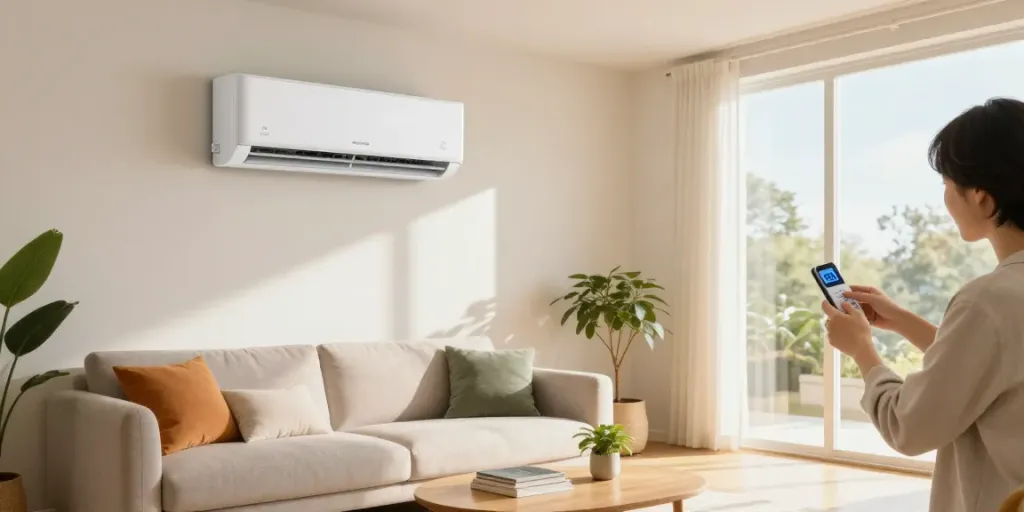
Understanding Mini Split Air Conditioners
If you're considering an efficient way to manage indoor climate control, mini split air conditioners may be the solution you're looking for. These versatile systems allow for both heating and cooling capabilities without the need for ductwork, making them an ideal choice for homes, apartments, and even commercial spaces. When exploring options, mini split air conditioners provide comprehensive insights into energy efficiency and installation flexibility, catering to a variety of living environments.
What is a Mini Split System?
A mini split system consists of two main components: an outdoor condenser unit and one or more indoor air handling units. This setup allows for targeted heating and cooling of individual rooms or zones within a building. By utilizing inverter technology, mini splits operate quietly and efficiently, making them a popular alternative to traditional HVAC systems.
Key Components and Functionality
- Outdoor Unit: Houses the compressor and condenser. It expels heat from the refrigerant into the outdoor air.
- Indoor Unit: Responsible for distributing conditioned air within the space. These units often come with remote controls for convenience.
- Refrigerant Lines: Connect the indoor and outdoor units, allowing for the transfer of heat. These lines require proper insulation to maintain efficiency.
Benefits of Mini Split Air Conditioning
There are numerous advantages to choosing a mini split system, including:
- Energy Efficiency: Mini splits are known for their high SEER (Seasonal Energy Efficiency Ratio) ratings, which can lead to significant savings on electricity bills.
- Zoned Heating and Cooling: With the ability to control temperatures in different rooms independently, mini splits provide comfort tailored to individual preferences.
- Easy Installation: The lack of ductwork simplifies installation, often allowing for a quicker and less invasive process.
Choosing the Right Mini Split for Your Home
When it comes to finding the perfect mini split system, consider the following factors to ensure you select the right model for your needs:
Factors to Consider When Selecting a Mini Split
- Room Size: Assess the square footage of the area you wish to cool or heat. This will guide your decision in choosing the right BTU (British Thermal Unit) rating.
- Energy Efficiency: Look for models with high SEER ratings, as they will save you money in the long run.
- Noise Levels: Check the decibel ratings of indoor units if noise is a concern; quieter models can enhance comfort.
Top Mini Split Brands and Models for 2026
Several reputable brands dominate the mini split market, including:
- Daikin: Known for innovation and energy efficiency.
- Mitsubishi Electric: Offers a wide range of models with advanced features.
- Fujitsu: Combines performance with quiet operation.
Cost Considerations: What to Expect
The installation and purchase price of a mini split system can vary widely based on the brand, model, and installation requirements. Typically, you can expect to pay between $3,000 and $5,000 for a complete system, including installation. It's essential to factor in any potential additional costs, such as electrical upgrades or modifications to the home.
Installation Process for Mini Split Systems
The installation of a mini split system can be straightforward, but it’s vital to follow the correct procedures to ensure optimal performance.
Professional vs. DIY Installation: Pros and Cons
- Professional Installation: Ensures proper setup and compliance with local codes, but may incur higher costs.
- DIY Installation: Can save money if you have the right skills, but mistakes can be costly in terms of inefficiency and repairs.
Step-by-Step Installation Guide
- Plan the installation location for the indoor and outdoor units.
- Install the mounting bracket for the indoor unit.
- Run refrigerant lines and electrical wiring between the units.
- Securely mount the indoor unit and connect the refrigerant lines.
- Install the outdoor unit on a level surface, ensuring proper airflow.
- Repeat the electrical and refrigerant connections.
Common Installation Mistakes to Avoid
- Improper sizing of units leading to inadequate heating and cooling.
- Inadequate insulation of refrigerant lines, which can hurt efficiency.
- Choosing poor locations for the outdoor unit, impacting airflow.
Maintaining Your Mini Split for Longevity
Regular maintenance of your mini split system is essential for ensuring its longevity and efficiency.
Routine Maintenance Tips for Homeowners
- Clean or replace the air filters every few months to maintain airflow.
- Ensure the outdoor unit is free of debris such as leaves and dirt.
- Schedule a professional maintenance check at least once a year.
Signs Your Mini Split Needs Repair
- Increased energy bills without a change in usage habits.
- Unusual noises coming from the system.
- Inconsistent temperatures across different rooms.
When to Call a Professional Technician
If you encounter any persistent issues, it's advisable to consult a professional technician. They can diagnose problems that may not be immediately apparent to homeowners and ensure your system operates efficiently.
Future Trends in Mini Split Technology
As technology continues to evolve, mini split systems are becoming more sophisticated and efficient.
Energy Efficiency Improvements by 2026
New models are expected to have even higher SEER ratings, which will significantly lower energy costs while maintaining comfort levels.
Smart Home Integration with Mini Splits
With the rise of smart home technology, many mini splits now feature Wi-Fi connectivity, allowing homeowners to control their systems remotely using apps.
Innovations in Mini Split Features and Design
Design innovations are also making mini splits more aesthetically pleasing, with options that blend better with modern home decor.
What are the disadvantages of a mini split?
While mini splits are efficient, they do come with some disadvantages, such as:
- Higher upfront installation costs compared to traditional systems.
- The potential for unattractive indoor units if not blended into the decor.
Which brand of 110v mini split system is best?
Brands such as MrCool and Pioneer are gaining popularity for offering high-quality, 110v mini split systems that cater to various needs.
Do mini splits run up the electric bill?
Mini splits are generally energy-efficient, and they often result in lower energy bills than traditional HVAC systems, especially if properly sized and installed.
What is the typical cost of installing a mini split system?
The cost can vary significantly, but homeowners should budget between $3,000 and $5,000 for a complete system, including installation. Variables such as home size and location also play a crucial role in determining the overall expense.