
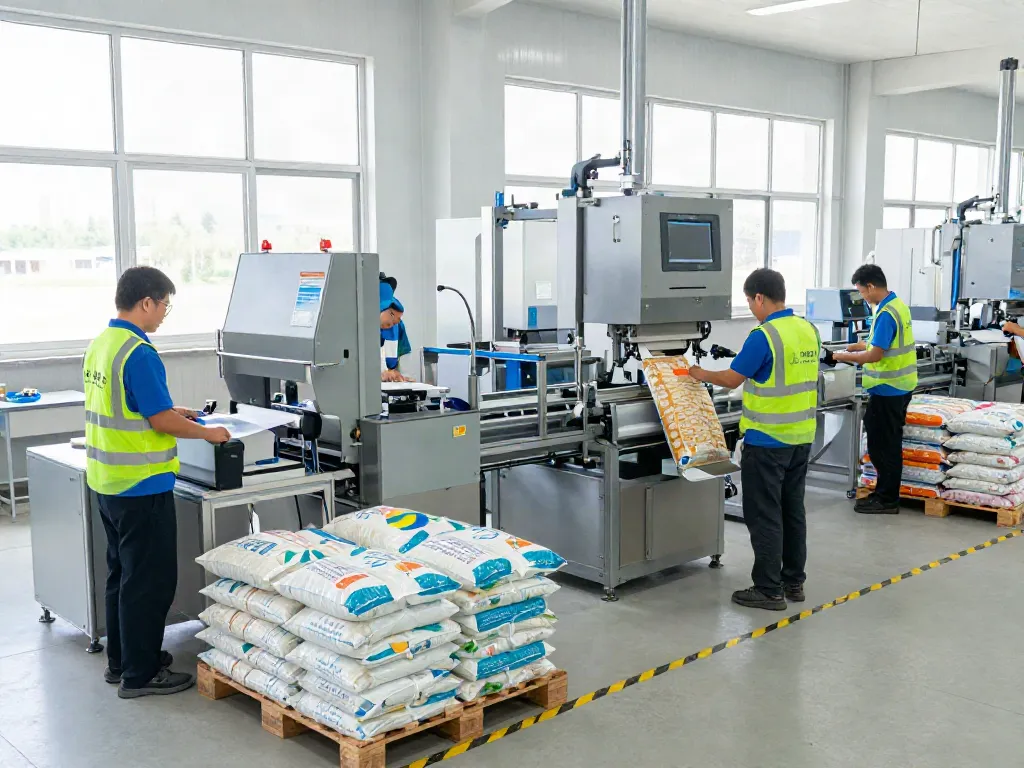
Understanding the Role of a Packaging Machinery Supplier
In the dynamic world of manufacturing, the role of a packaging machinery supplier is paramount. These suppliers not only provide the necessary equipment but also influence production efficiency, operational costs, and overall product quality. This article delves into the multifaceted responsibilities of packaging machinery suppliers and offers insights into how to select the right partner for your business needs.
What is a Packaging Machinery Supplier?
A packaging machinery supplier is a company that manufactures, sells, and services various types of packaging machinery and equipment. These suppliers cater to diverse industries including food, pharmaceuticals, chemicals, and consumer goods, providing machinery that can handle tasks such as filling, sealing, wrapping, and palletizing. The equipment offered may vary greatly; from automated filling systems to more manual operations, the choices are designed to streamline packaging processes and increase productivity.
The Importance of Choosing the Right Supplier
Selecting a packaging machinery supplier is a critical decision that can affect the entire production line. A reliable supplier not only offers high-quality machinery but also provides essential support services such as installation, maintenance, and training. Furthermore, the right supplier can adapt their offerings to meet the specific needs of your operations, ensuring that you are equipped with the most effective solutions available.
How Suppliers Impact Production Efficiency
The efficiency of the packaging process is heavily influenced by the quality and suitability of the machinery supplied. A well-designed machine can drastically reduce downtime, minimize waste, and optimize the speed of production. Moreover, a supplier that understands the intricacies of your industry can suggest innovative solutions that enhance productivity. By integrating advanced technologies such as automation and artificial intelligence, suppliers are transforming the packaging landscape, enabling businesses to stay competitive in a rapidly evolving market.
Evaluating Packaging Solutions: Factors to Consider
When it comes to choosing the right packaging solutions, several key factors must be evaluated to ensure they align with your operational goals.
Customization Options for Specific Needs
Every business has unique requirements based on the type of products being packaged, production volume, and operational capabilities. A top-tier packaging machinery supplier should offer customizable solutions that can be tailored to your specific needs. This might include modifications to machine size, speed, and functionality to ensure optimal performance in your setting.
Cost vs. Quality in Packaging Machinery
While it can be tempting to choose the least expensive option when sourcing packaging machinery, this decision can result in significant long-term costs. High-quality equipment often features better durability, lower maintenance needs, and greater efficiency, ultimately resulting in a better return on investment. A reputable supplier will provide transparent pricing structures and value assessments that help businesses understand the true costs associated with their machinery choices.
Technological Advancements to Look For
As the packaging industry evolves, so does the technology behind packaging machinery. When evaluating suppliers, it is essential to consider their offerings in terms of cutting-edge technology. Features like smart sensors, advanced control systems, and adaptive machinery can enhance efficiency and reduce human error in the packaging process. Suppliers who prioritize R&D will often be at the forefront of providing such advancements.
Common Challenges Faced by Packaging Machinery Suppliers
In today's fast-paced production environment, packaging machinery suppliers encounter several challenges that can impact their ability to serve clients effectively.
Overcoming Supply Chain Disruptions
The global supply chain has faced unprecedented disruptions in recent years, primarily due to events such as the COVID-19 pandemic. Packaging machinery suppliers must navigate these challenges by establishing robust supply chains and contingency plans that ensure timely delivery of machinery and components. This can involve diversifying sources or investing in local manufacturing capacities to mitigate delay risks.
Addressing Customer Specificity and Preferences
Companies often have unique expectations and requirements, making it difficult for suppliers to standardize offerings. Suppliers must be agile and responsive, capable of customizing machinery while still achieving efficiency in production and delivery. This is where a deep understanding of various industries and their specific needs becomes crucial.
Maintaining Quality Control Standards
Quality control is a non-negotiable aspect of packaging machinery manufacturing. Suppliers need to implement rigorous testing and validation processes to ensure that every piece of equipment meets industry standards. This includes continuous monitoring and updating of manufacturing practices to comply with regulatory requirements and customer expectations.
Best Practices for Collaborating with a Packaging Machinery Supplier
Collaboration between a business and its packaging machinery supplier should be strategic and based on clear communication and mutual goals.
Effective Communication Strategies
Open lines of communication are essential to a successful partnership. Establishing regular check-ins and updates ensures that both parties remain aligned on project goals, timelines, and expectations. Effective communication helps avoid misunderstandings and ensures that issues are addressed promptly.
Establishing Long-term Partnerships
Building a long-term relationship with a packaging machinery supplier can lead to numerous benefits, including preferential pricing, priority service, and access to new technology. Partners who understand each other's operations and needs can make collaborative decisions that drive mutual growth and efficiency.
Measuring Success: KPIs for Supplier Performance
To ensure that a supplier is meeting expectations, businesses should establish clear key performance indicators (KPIs) that can be tracked and evaluated. Metrics such as equipment downtime, maintenance response times, and overall equipment effectiveness (OEE) can provide insight into supplier performance and help identify areas for improvement.
Future Trends in Packaging Machinery for 2026 and Beyond
The packaging machinery industry is at a crossroads, with several trends poised to shape its future significantly.
Automation and Its Impact on Packaging Efficiency
Automation continues to lead the charge in improving packaging efficiency. By integrating automated systems, companies can achieve higher throughput, reduced labor costs, and improved accuracy in packaging processes. This trend is expected to intensify as technology evolves, making automation solutions more accessible to businesses of all sizes.
Sustainability Practices in Packaging Solutions
Sustainability is no longer just a buzzword; it is becoming a critical focus for businesses in the packaging sector. Consumers are increasingly demanding environmentally friendly packaging options, prompting suppliers to develop machinery that supports sustainable practices, such as biodegradable materials and recyclable packaging solutions. These trends align with broader corporate social responsibility goals.
Emerging Technologies to Watch in the Industry
Technologies such as artificial intelligence (AI), the Internet of Things (IoT), and machine learning are expected to revolutionize the packaging machinery industry further. These technologies can enhance predictive maintenance, optimize production schedules, and improve overall operational efficiency. Businesses that embrace these advancements will likely gain a competitive edge.
What are the costs associated with packaging machinery?
The costs of packaging machinery can vary widely based on factors such as the complexity of the equipment, the materials used, and the level of automation. It's crucial for businesses to conduct a thorough cost analysis considering both the initial investment and the long-term operational costs associated with maintenance, repairs, and energy consumption.
How to choose the right packaging machinery supplier?
Choosing the right packaging machinery supplier involves assessing their reputation, experience, and the technological solutions they offer. Businesses should also consider customer testimonials and case studies to gauge the supplier's ability to meet specific needs. Additionally, exploring after-sales support and warranty options can ensure a satisfactory long-term relationship.
What trends are shaping the packaging machinery industry?
Key trends shaping the packaging machinery industry include advancements in automation, sustainable packaging practices, and the incorporation of emerging technologies like AI and IoT. These trends reflect a shift towards greater efficiency, reduced environmental impact, and increased adaptability in response to changing market demands.
How to enhance production with effective packaging solutions?
Enhancing production through effective packaging solutions requires analyzing every aspect of the packaging process—from machinery selection to workflow design. Partnering with a knowledgeable supplier can provide insights into best practices and innovations that streamline operations and increase productivity.
What are common challenges faced in packaging machinery supply?
Common challenges in packaging machinery supply include supply chain disruptions, evolving customer requirements, and stringent quality control standards. Suppliers must remain adaptable and proactive in addressing these issues to sustain their competitive advantage and better serve their clients.