The Evolution of Crayon Manufacturers
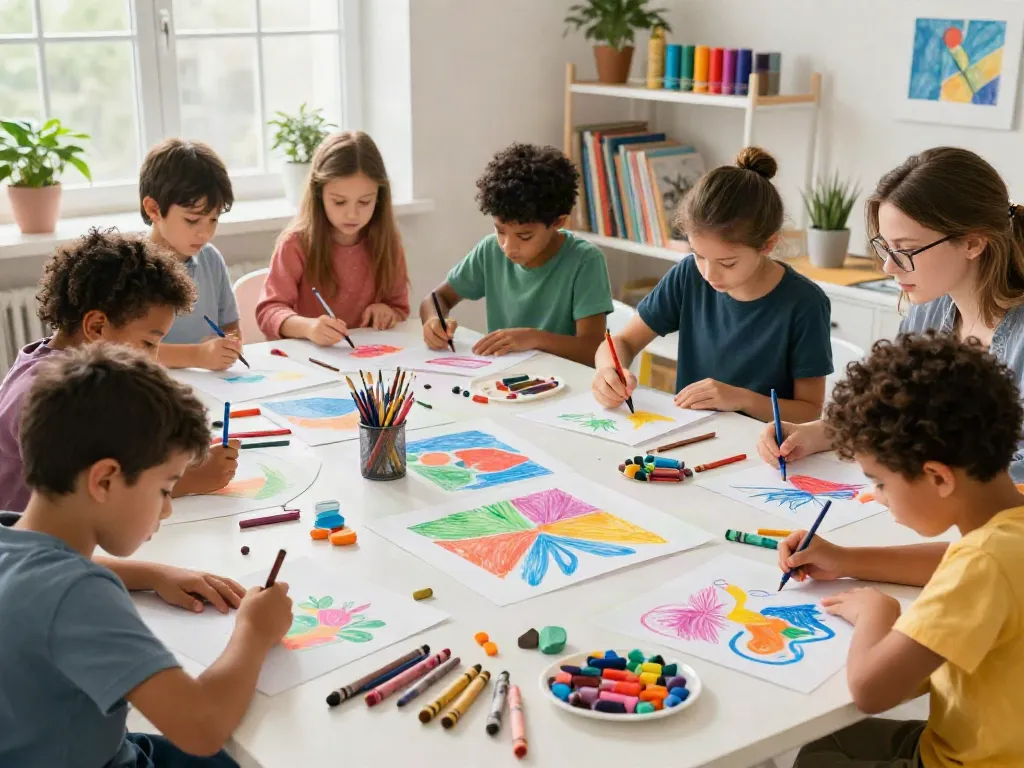
The world of crayon manufacturing has undergone significant changes since its inception. From simple wax sticks to intricate designs and eco-friendly materials, crayon manufacturers have evolved to meet the diverse demands of consumers. This evolution has been shaped by advancements in technology, changing consumer preferences, and a growing awareness of environmental sustainability. Today, the market is flooded with various types of crayons suited for different applications, including artistic use, educational purposes, and industrial applications. When exploring options, crayon manufacturers offer a rich variety of products that cater to both children and adults alike.
History and Milestones in Crayon Manufacturing
The history of crayons dates back to the 19th century when the first commercial crayons were produced. Initially made from a mixture of charcoal and oil, the modern crayon as we know it began to take shape in the early 1900s. The introduction of paraffin wax revolutionized crayon manufacturing, allowing for vibrant colors and smooth application. By the 1930s, companies like Crayola had established themselves as household names, producing crayons that were non-toxic and safe for children. Over the decades, advancements continued, leading to the inclusion of various materials such as beeswax and plastic, catering to an even broader market.
Major Players in the Crayon Industry Today
As the crayon industry has expanded, several key players have emerged. Companies like Crayola, Faber-Castell, and Deli Group are known for their high-quality products and innovative designs. These manufacturers often engage in research and development to create crayons that are not only appealing to children but also meet safety and environmental standards. Additionally, niche companies have gained recognition for specialized products like fabric crayons and beeswax crayons, appealing to eco-conscious consumers and those looking for unique crafting options.
Influence of Technology on Crayon Production
Technology has significantly impacted the way crayons are manufactured. High-efficiency machinery allows manufacturers to produce crayons in larger quantities, reducing costs and increasing accessibility. Innovations such as automated quality control systems ensure that each crayon meets rigorous safety standards. Furthermore, advancements in coloring technology have resulted in the development of new, non-toxic dyes, which enhance the vibrancy and appeal of crayons while maintaining a focus on child safety.
Types of Crayons and Their Uses
Understanding the different types of crayons available is crucial for consumers looking to make informed purchasing decisions. Each type of crayon serves unique purposes, catering to various preferences and applications.
Exploring Beeswax Crayons
Beeswax crayons are known for their natural composition, made primarily from beeswax and pigments. These crayons are an excellent choice for parents who prioritize eco-friendliness in their children's art supplies. Beeswax crayons provide a smooth application and vibrant colors while being safer for young children. In addition, they are less likely to break compared to traditional wax crayons, making them a durable choice for little hands.
Advantages of Fabric Crayons for Children
Fabric crayons offer a unique twist on traditional coloring tools. Designed specifically to be used on fabric, these crayons allow children to create washable designs on T-shirts, bags, and other textiles. One of their key advantages is that the drawings can withstand washing without fading, encouraging creativity in fashion and craft projects. Parents appreciate that fabric crayons are a way to engage kids in artistic expression that results in a usable product, and many manufacturers focus on making these crayons non-toxic and easy to use.
Unique Features of Plastic Crayons
Plastic crayons are innovative products that can be molded into a variety of shapes, adding an exciting tactile dimension to art projects. Unlike traditional wax crayons, plastic crayons are often used in schools and art classes due to their durability and resistance to breaking. They provide a unique texture and can be less messy, making them suitable for younger children. Additionally, these crayons can be created in vibrant colors and can be designed to appeal to various artistic styles.
Quality and Safety Standards in Crayon Manufacturing
In an age where parents are increasingly concerned about product safety, the quality and safety standards in crayon manufacturing cannot be overlooked. Manufacturers must adhere to strict regulations to ensure their products are safe for children.
Understanding Non-Toxic Certification
Non-toxic certification is crucial for crayons aimed at children, as it assures parents that the materials used are safe for use. Crayon manufacturers often seek certifications from independent organizations that test for harmful substances, ensuring that their products are free of toxins like lead, phthalates, and heavy metals. This certification not only builds consumer trust but also supports manufacturers in differentiating their products in a competitive market.
Environmental Considerations in Crayon Production
As sustainability becomes a critical concern, many crayon manufacturers are exploring environmentally friendly materials. The use of biodegradable and renewable resources, such as beeswax and plant-based dyes, is on the rise. Manufacturers are also implementing eco-friendly production processes that minimize waste and reduce their carbon footprints. Consumers are increasingly drawn to these sustainable products, further encouraging manufacturers to innovate.
How to Choose Safe Crayon Products
When selecting crayon products, consumers should look for brands that are transparent about their manufacturing processes and ingredient sourcing. Checking for safety certifications and reading product labels can help in identifying non-toxic options. Additionally, considering the intended use—such as art projects or educational activities—can guide parents in making the best choices for their children.
Challenges Faced by Crayon Manufacturers
Despite the growing demand for crayons, manufacturers face several challenges that can impact their operations and product offerings.
Supply Chain Issues in Raw Material Sourcing
The availability of raw materials is critical for crayon production. Fluctuations in the availability of essential ingredients, such as wax and pigments, can cause delays and affect pricing. Manufacturers must streamline their supply chains to mitigate these issues, often relying on global suppliers which can introduce further complexities.
Adapting to Changing Consumer Preferences
As consumer preferences shift toward sustainability and eco-friendliness, crayon manufacturers must adapt their product lines accordingly. Understanding market trends and consumer demands is essential for manufacturers to stay relevant. Engaging with customers through feedback and market research enables companies to innovate and meet evolving expectations.
Regulatory Compliance and Its Impact on Production
Compliance with regulations can be burdensome for crayon manufacturers, particularly those operating in multiple countries. Varying safety standards and guidelines require manufacturers to invest in research and adapt their products for different markets. This can lead to increased production costs and longer lead times, impacting their overall competitiveness.
Future Trends in the Crayon Industry
The crayon industry is positioned for significant growth as trends evolve and new technologies emerge. Staying ahead of these developments is crucial for manufacturers aiming to thrive in a competitive landscape.
Emerging Innovations in Crayon Design
Future innovations in crayon design may focus on interactive and smart crayons that connect with digital applications. These could include crayons with integrated technology that allows for augmented reality experiences or apps that enhance learning through play. By incorporating technology, manufacturers can appeal to the modern consumer looking for more than just a coloring tool.
Forecasting Market Growth in 2026
With the expanding market for art supplies and educational tools, crayon manufacturers are projected to see continued growth. The increasing emphasis on creative education in schools and homes will drive demand. Additionally, eco-friendly products are likely to attract a growing segment of environmentally conscious consumers.
Impact of Sustainability on Crayon Manufacturers
Sustainability will remain a pivotal focus as manufacturers strive to reduce their environmental impact. From sourcing materials to employing green production practices, companies that prioritize sustainability will position themselves favorably in the eyes of consumers. The trend towards eco-friendly crayons is expected to accelerate, with an emphasis on biodegradable materials and reduced packaging.
What Are the Top Crayon Brands?
Established brands like Crayola, Faber-Castell, and Ticonderoga continue to dominate the market, but new entrants focusing on niche products are emerging as valuable competitors. These brands often carve out niches by offering specialized products that cater to specific audiences, such as artists, educators, or eco-conscious consumers.
How Are Crayons Made?
The process of making crayons typically involves melting wax and mixing it with pigments to create a uniform blend. Once the mixture reaches the desired consistency, it is poured into molds to form crayons. After cooling, they are removed from the molds, packaged, and sent to retailers. Quality control is critical during this process to ensure safe and vibrant end products.
What Are the Most Popular Crayon Types?
Among the most popular crayon types are traditional wax crayons, beeswax crayons, and fabric crayons. Traditional wax crayons are widely used in schools and homes, while beeswax crayons appeal to eco-conscious consumers. Fabric crayons are gaining popularity for creative projects involving textile design.
Where Are Crayons Manufactured?
Crayons are manufactured globally, with significant production hubs located in China, the United States, and Europe. Many leading brands source their products from multiple facilities worldwide, balancing cost efficiency with manufacturing quality.
Which Companies Make Eco-Friendly Crayons?
Companies focused on sustainability, such as Stockmar and Eco-Kids, specialize in eco-friendly crayon options made from natural materials. These brands contribute to the growing market demand for non-toxic and environmentally responsible art supplies.
What Materials Are Used in Crayon Making?
Common materials in crayon production include paraffin wax, beeswax, pigments, and additives to enhance texture and durability. The choice of materials significantly affects the crayon's quality, safety, and environmental footprint, influencing consumer preferences.