What is an HDI PCB and Why It Matters?
HDI PCBs, or High-Density Interconnect Printed Circuit Boards, are an essential component in modern electronics, enabling the miniaturization of devices while enhancing their performance. As technology continues to advance, particularly in sectors like telecommunications, automotive, and consumer electronics, understanding the significance of HDI PCBs becomes crucial for manufacturers and designers alike. These boards utilize advanced technology that allows for a higher density of components and interconnections in a smaller footprint, making them a popular choice for complex electronic systems.
When exploring options, HDI PCB manufacturer provides comprehensive insights into the best practices and innovations in the industry, allowing businesses to make informed decisions.
Defining HDI Technology
HDI technology is characterized by using blind, buried, and micro vias to increase the density of the circuitry. Unlike traditional PCBs, which may rely on through-hole and surface mount technology, HDI boards can accommodate a vast number of connections in a compact area, making them ideal for high-performance applications. This technology also incorporates multiple layers, which further enhances the performance and functionality of the circuit board.
The Importance of High-Density Interconnects
The ability to create high-density interconnections is crucial in today’s electronic devices, which demand faster processing speeds and greater functionality in smaller sizes. This demand has led to the widespread adoption of HDI PCBs in various applications, including smartphones, tablets, and wearable devices. The integration of such advanced technologies allows for improved signal integrity and reduced electrical losses, essential for maintaining the performance of high-speed circuits.
Applications and Use Cases of HDI PCBs
HDI PCBs are widely utilized across various industries. Key applications include:
- Telecommunications: HDI PCBs are essential in smartphones and base stations, where space is limited, yet performance is paramount.
- Medical Devices: In medical technology, where reliability and precision are critical, HDI boards enable the development of compact devices capable of sophisticated functions.
- Automotive: With the rise of electric and autonomous vehicles, HDI PCBs support the enhanced functionality of advanced driver assistance systems (ADAS).
- Consumer Electronics: From gaming consoles to smart home devices, HDI technology is key to optimizing performance while minimizing form factors.
Key Advantages of Using HDI PCBs
Improved Circuitry Density and Performance
One of the primary advantages of HDI PCBs is their ability to facilitate a high density of interconnections without the need for larger board sizes. This is particularly important in applications where space constraints are a significant consideration. With HDI technology, manufacturers can achieve higher functionality and performance through enhanced design flexibility, allowing for more complex routing solutions.
Cost Efficiency Compared to Traditional PCBs
While the initial cost of fabricating HDI PCBs may be higher due to the advanced technologies involved, the long-term benefits often outweigh these costs. With the ability to integrate more components onto a smaller board, manufacturers can reduce the overall production costs, leading to savings in material and assembly. Additionally, the performance benefits can translate to lower costs in terms of power usage and heat management, making HDI boards an economically sound choice over time.
Reliability and Durability in Various Environments
HDI PCBs offer increased reliability compared to traditional circuit boards, crucial for applications in extreme environments. Their robust design allows them to withstand temperature fluctuations, moisture, and mechanical stress. This durability makes them a preferred choice in industries such as aerospace, automotive, and medical technology, where failure is not an option.
Latest Trends in HDI PCB Manufacturing
Emerging Technologies in PCB Fabrication
The landscape of HDI PCB manufacturing is continuously evolving, with new technologies influencing production processes. Innovations in materials science, including the use of flexible PCBs and advanced laminates, are enabling manufacturers to push the boundaries of what is possible. For instance, the incorporation of high-frequency materials allows HDI PCBs to perform effectively in RF (radio frequency) applications.
Eco-Friendly Manufacturing Practices
Environmental concerns are shaping the PCB industry, and HDI PCB manufacturers are increasingly adopting eco-friendly practices. This includes using sustainable materials, reducing waste during production, and implementing energy-efficient processes. As regulations around electronics waste become stricter, manufacturers must adapt to these changes to remain competitive and compliant.
Impact of 5G and IoT on HDI PCB Design
The rollout of 5G technology and the growth of the Internet of Things (IoT) are driving the demand for more sophisticated HDI PCBs. As devices become increasingly interconnected and require higher data transmission speeds, HDI boards are essential for supporting these advancements. The design challenges and opportunities presented by 5G technology are leading to innovations in PCB fabrication and layout, ensuring that manufacturers stay ahead in a rapidly changing market.
Choosing the Right HDI PCB Manufacturer
Key Criteria for Evaluation
When selecting an HDI PCB manufacturer, several criteria should be considered to ensure that the partnership meets your needs:
- Experience and Expertise: Look for manufacturers with a proven track record in HDI technology and an understanding of your industry’s specific requirements.
- Quality Assurance: A robust quality management system is essential. Ensure that the manufacturer adheres to relevant certifications and standards.
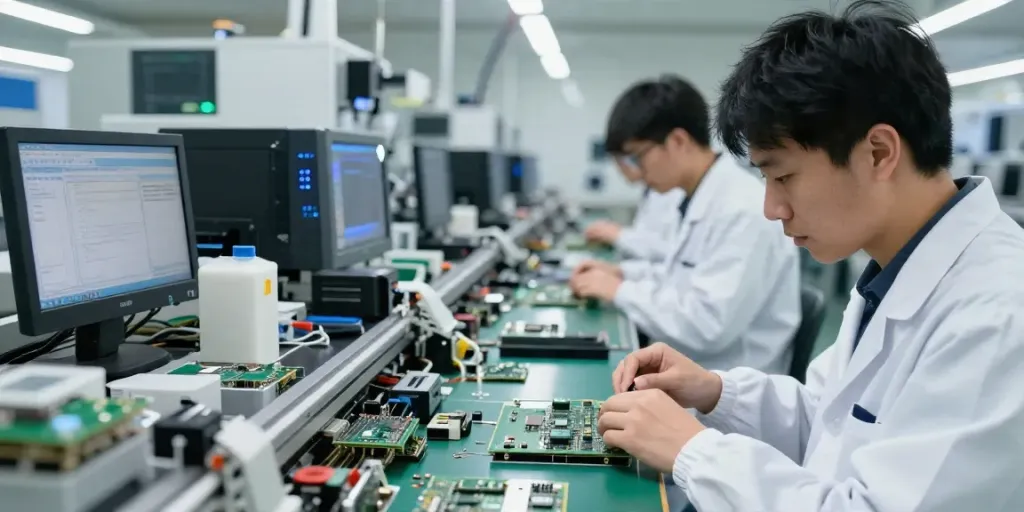
- Technological Capabilities: Assess whether the manufacturer has the latest equipment and technologies to produce HDI PCBs efficiently and accurately.
- Customer Support: Good communication and support are vital throughout the manufacturing process, so choose a manufacturer who is responsive to your needs.
Common Challenges in PCB Selection
Choosing the right HDI PCB manufacturer can come with challenges. Common issues include:
- Cost Variability: The cost of manufacturing HDI PCBs can vary significantly between manufacturers, making it essential to obtain detailed quotations and understand the reasons behind pricing differences.
- Lead Times: Rapid delivery is often a requirement in the fast-paced electronics market, so evaluating the manufacturer's lead times is crucial.
- Design Complexity: Ensure that the manufacturer can handle the specific complexities of your design without compromising quality.
Top Manufacturers to Consider in 2026
As the HDI PCB market continues to expand, several manufacturers stand out for their innovation and quality. Companies like Sierra Circuits, JLCPCB, and PCBWay are leading the charge in providing high-quality, reliable HDI PCB solutions. Staying informed about industry trends and manufacturer capabilities will help businesses select the right partner for their HDI PCB needs.
Future Predictions for HDI PCB Development
Innovations Expected in the Next Decade
The next decade promises exciting advancements in HDI PCB technology. Innovations such as the integration of AI in design processes, enhanced automation in manufacturing, and the development of new substrates will transform the industry. These advancements will allow for even higher density interconnections and more complex designs, facilitating the next generation of electronic devices.
Impact of Global Trends on Manufacturing
Global trends, including supply chain fluctuations and geopolitical factors, will continue to influence HDI PCB manufacturing. Companies that adapt to these changes—whether through localizing production or diversifying their supply chains—will be better positioned for success. Additionally, sustainability concerns will drive manufacturers to adopt greener practices, impacting material selection and waste management.
Preparing for Evolving Market Demands
The electronics market is dynamic, with consumer demands changing rapidly. To remain competitive, HDI PCB manufacturers must stay ahead of trends, focusing on flexibility, scalability, and responsiveness to customer needs. Businesses should foster partnerships with manufacturers who demonstrate an understanding of industry shifts and who can support evolving requirements efficiently.
What are the key benefits of HDI PCBs?
HDI PCBs offer numerous advantages, including higher circuitry density, cost-efficiency over time, durability, and reliability in demanding applications. These benefits make them a strategic choice for modern electronic design.
What materials are used in HDI PCB manufacturing?
Materials commonly used in HDI PCB manufacturing include FR-4 epoxy glass laminate, polyimide, and various high-frequency laminates. The choice of materials impacts the board's performance, especially in high-speed applications.
How do HDI PCBs compare to traditional PCBs?
Unlike traditional PCBs, HDI boards feature a higher density of components and interconnections, achieved through advanced techniques like microvias. This results in better performance, reduced size, and improved functionality in modern electronics.
What industries benefit most from HDI PCBs?
Industries such as telecommunications, automotive, medical, and consumer electronics benefit significantly from HDI PCBs due to their need for high performance in compact designs.
What advancements can we expect in HDI PCB technology?
Future advancements in HDI PCB technology will likely include improvements in materials, manufacturing processes, and integration with smart technologies, enhancing both functionality and production efficiency.