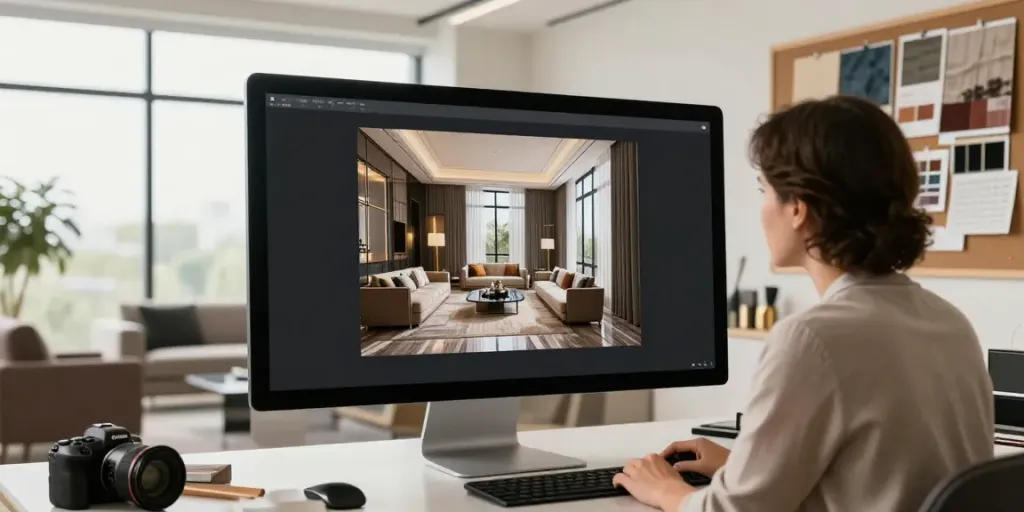
Understanding 3D Rendering for Interior Designers
In an age where visual communication dominates the design industry, 3D rendering has become an essential tool for interior designers. This technology bridges the gap between concept and reality, translating abstract ideas into vibrant, lifelike visualizations. For interior designers, mastering the art of 3D rendering not only enhances client presentations but also streamlines the design process, reducing the risk of misunderstandings and errors. When exploring options, best 3d rendering company comparisons can provide comprehensive insights into the services that best suit specific project needs.
What is 3D Rendering?
3D rendering is the process of creating a two-dimensional image from a three-dimensional model using computer software. This model can represent physical objects or spaces, faithfully reproducing their shapes, colors, textures, and lighting conditions. Essentially, rendering converts digital blueprints into realistic visuals that can be used for various purposes such as marketing, client presentations, or design validation.
The Importance of Visual Communication in Design
Visual communication is pivotal in interior design, where the ability to convey an idea clearly can mean the difference between winning a client and losing a project. High-quality 3D renderings enable interior designers to present their visions in engaging and accessible formats. Clients can visualize the space before any physical work begins, allowing for insightful feedback and adjustments early in the design process.
Common Misconceptions About 3D Rendering
Despite its growing popularity, several misconceptions surround 3D rendering. Some believe it is merely an expensive add-on to the design process. However, effective rendering can save costs in the long run by reducing revisions and miscommunication. Others think that only large firms can afford such services, but there are rendering companies that cater to various budgets and project sizes, making quality visualization accessible to all.
Top 3D Rendering Companies for Interior Designers
Choosing the right 3D rendering company can dramatically influence the success of your design project. Below, we highlight some of the top firms that excel in delivering high-quality 3D visualizations tailored for interior designers.
AIMIR CG: Excellence in Visual Quality
AIMIR CG has established itself as a leader in architectural visualization, specializing in stunning interior renderings. With a focus on photorealism, AIMIR CG's team of skilled artists emphasizes details like lighting, textures, and materials to bring designs to life. Their comprehensive quality control process ensures each project meets high standards, making them a reliable partner in delivering visuals that resonate with clients and stakeholders alike.
Omega Render: Cinematic Storytelling
Known for its cinematic approach to 3D rendering, Omega Render crafts visual narratives that captivate audiences. Their expertise in film-grade visualization integrates artistic lighting and color grading to elevate interior spaces into atmospheric experiences. This firm is perfect for luxury projects that require emotional resonance and a strong visual impact, although their detailed approach may lead to longer production times.
Render3DQuick: Fast Turnaround Solutions
Render3DQuick is designed for clients who prioritize speed and efficiency. This company focuses on delivering quick turnaround times without compromising the essential quality of its visual assets. Ideal for real estate developments and commercial projects, Render3DQuick serves those who require fast, effective marketing visuals that can be produced within tight deadlines.
Choosing the Right 3D Rendering Partner
Selecting a 3D rendering partner is a nuanced process that requires careful consideration. Here are key aspects to keep in mind:
Defining Your Quality Expectations
Before engaging with a rendering company, it’s crucial to articulate your quality expectations. Different firms have varying strengths, so understanding what level of realism and detail you need will help you choose the right partner. For instance, if you are aiming for high-quality marketing materials, a firm like AIMIR CG may be best suited for your needs.
Matching Budget with Expected Results
Your budget should align with the quality and type of rendering services you expect. Some companies may offer basic packages that are cost-effective but come with limitations. It’s essential to discuss comprehensive pricing options with potential partners to ensure you receive the value you need for your investment.
Evaluating Professional Experience
Look for companies with a proven track record in the specific types of projects you are pursuing. Examine their portfolios for examples of similar work and note their experience with various design styles. Firms with extensive backgrounds in interior design often provide insights that enhance the overall quality of your visualizations.
Factors Influencing 3D Rendering Costs
Understanding the factors that influence the costs of 3D rendering services is essential for making informed decisions. Here are the main factors to consider:
Project Scope and Complexity
The size and complexity of your project will greatly affect the cost. Larger interiors or intricate architectural features require more detailed modeling and rendering time, leading to higher costs. Be prepared to provide detailed descriptions and sketches to potential rendering partners to obtain accurate quotes.
Modeling Requirements and Deliverables
The level of detail required in the 3D models will also impact pricing. Projects needing complete models typically incur lower costs compared to those requiring extensive modeling from flat CAD plans or sketches. Additionally, the number of deliverables, such as multiple views or animations, will also drive up costs.
Timeline and Revision Requirements
Projects with tight deadlines may require expedited service, which can increase the overall cost. On the other hand, a standard timeline can generally yield more cost-effective solutions. It's essential to clarify any revision processes and expectations upfront to avoid unexpected charges later in the project.
Future Trends in 3D Rendering: What to Expect in 2026 and Beyond
The 3D rendering landscape is continually evolving, driven by advancements in technology and shifting client expectations. Here are some trends to watch for:
Technological Advancements in 3D Rendering
Emerging technologies such as real-time rendering and artificial intelligence are transforming the 3D visualization space. Real-time rendering allows for instant feedback and adjustments during the design process, offering a more interactive and engaging experience for clients. As these technologies become mainstream, expect faster project completion times and enhanced collaboration.
Integrating Virtual Reality and Augmented Reality
As virtual reality (VR) and augmented reality (AR) gain traction, their integration into 3D rendering will revolutionize how interior designers present their work. VR can provide immersive walkthroughs, allowing clients to experience spaces as if they were physically present, while AR can overlay design elements in real-time within existing spaces, providing unique insights into prospective changes.
Shifts in Client Expectations and Design Trends
As design trends evolve, clients are increasingly expecting personalized and innovative experiences. Renderings that are not only accurate but also tell a story or evoke specific emotions will become essential for capturing client interest. Adapting to these shifts will require rendering firms to stay ahead of design trends and client preferences.
What factors should I consider when choosing a 3D rendering company?
Consider factors such as the company's experience with similar projects, the quality of their portfolio, pricing, turnaround times, and the level of customer service they provide. It's also beneficial to read client reviews and testimonials to gauge reliability and performance.
How much does 3D rendering typically cost?
The cost of 3D rendering can vary widely based on project scope, complexity, and quality expectations. Basic services can start from a few hundred dollars, while highly detailed and customized packages can reach into the thousands. Always ask for a detailed quote that outlines what is included.
What is the standard production timeline for a rendering project?
The timeline can vary significantly depending on the complexity of the project and the number of images required. Typically, rendering projects can take anywhere from a few days to several weeks. Communication with your chosen studio is essential for establishing clear deadlines upfront.
How many revisions can I expect in the process?
Many rendering companies offer a set number of revisions as part of their service, typically between two to three rounds. It's important to clarify this during the initial discussions to avoid unexpected costs for additional revisions.
Can I protect my design files with an NDA?
Absolutely. Most reputable 3D rendering companies will be willing to sign a Non-Disclosure Agreement (NDA) to protect your proprietary designs and concepts, ensuring your information remains confidential throughout the project.